By Dr. Rupali Karande · Founder & Chief Dentist, Amayra Polyclinic & Dental Hub
Clinical source guide: July 2021 · Website article rebuilt for clarity and search experience: September 2026
Missing a tooth, several teeth, or all your teeth? Dental implants can replace missing tooth roots and support fixed crowns, bridges or full-arch teeth. This guide explains the treatment journey, who may be suitable, 3D planning, bone-grafting options, full-mouth solutions, recovery and the factors that influence cost.
First, the short answer: Dental implants are artificial tooth roots placed in the jawbone to support a crown, bridge or full-arch restoration. Whether implants are suitable—and whether you need bone grafting, immediate loading or a full-mouth approach—can only be determined after a clinical assessment and appropriate imaging.
What an implant replacesThe missing tooth root plus a fixed restoration above it.
PlanningClinical examination, imaging and restoration-led treatment planning.
HealingOsseointegration takes longer than the initial gum recovery.
CostDepends on the number of implants, restoration, bone condition and additional procedures.
What Are Dental Implants?
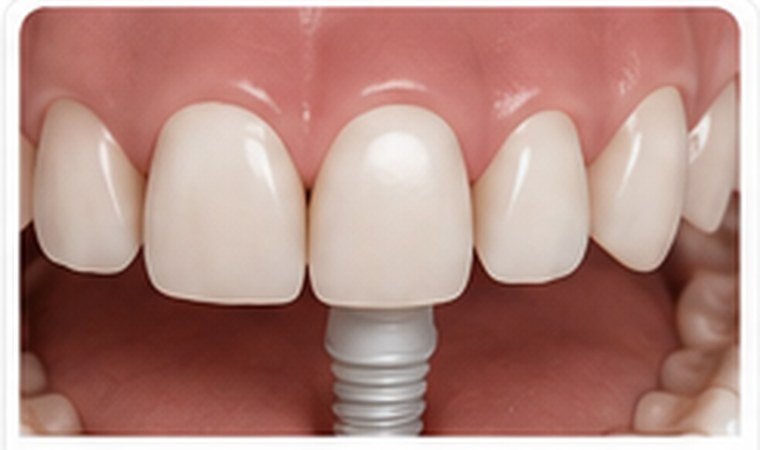
Dental implants are artificial tooth roots, usually made from medical-grade titanium or zirconia, that are surgically placed into the jawbone to support fixed replacement teeth. A complete implant restoration commonly includes the implant fixture, an abutment and a custom-made crown, bridge or full-arch prosthesis.
Unlike removable dentures, an implant is designed to integrate with the jawbone through a biological process called osseointegration. Once healing is complete, the implant provides a stable foundation for the visible replacement tooth or teeth.
Implants may be used for a single missing tooth, multiple missing teeth, implant-supported bridges, a complete upper or lower arch, or full-mouth rehabilitation. The right design depends on the patient's anatomy, oral health, bite and treatment goals.
01
Think beyond the visible tooth
An implant treatment is not simply about replacing the white part of a missing tooth. The planning considers the root replacement, bone, gums, bite and final restoration together.
How Do Dental Implants Work?
Natural teeth transfer chewing forces through their roots into the surrounding bone. Dental implants are designed to provide a similar anchoring function after integration with the jaw. The usual pathway is:
Assessment: examine the mouth, gums, bone, bite and medical history.
Digital planning: use appropriate imaging and plan the implant position around the intended restoration.
Placement: place the implant into the planned position under appropriate anaesthesia.
Healing: allow osseointegration to develop between bone and implant.
Restoration: attach the final crown, bridge or full-arch prosthesis after the planned healing stage.
Dental Implants vs Bridges vs Dentures
Option
What it replaces
Typical characteristic
Planning focus
Dental implant
Root + visible tooth/restoration
Fixed tooth replacement when clinically suitable
Bone, gums, implant position, bite and restoration
Bridge
Visible missing tooth/teeth
Fixed restoration supported by adjacent teeth or implants
Support teeth/implants and bite
Denture
Visible missing teeth
Removable tooth replacement
Retention, fit, comfort and function
Not sure which option fits you?
The most useful first step is usually an examination rather than choosing a treatment from an online price list.
Many healthy adults with one or more missing teeth can be considered for implants, but candidacy is determined by the individual clinical situation rather than age alone. The assessment typically considers:
Bone quantity and quality
Gum and periodontal health
General medical history
Smoking and lifestyle factors
Bite and jaw relationships
Oral hygiene
Healing capacity
Long-term treatment goals
Even people who have worn dentures for years may have treatment options. When bone is insufficient for conventional implant placement, additional procedures may sometimes make reconstruction possible.
When Might Additional Procedures Be Needed?
Not every jaw has enough bone for immediate conventional implant placement. Depending on the anatomy, the treatment plan may include guided bone regeneration, ridge augmentation, sinus lift, socket preservation or, in selected severe upper-jaw bone-loss cases, zygomatic implants.
Bone grafting
Used when the jaw can be predictably reconstructed to create support for conventional implants.
Sinus lift
May be considered in the upper back jaw when the sinus position limits available bone.
Zygomatic implants
A specialised option for carefully selected patients with severe upper-jaw bone loss.
The Dental Implant Procedure: Step by Step
Modern implant treatment begins long before surgery. Diagnosis and restoration-led planning are important because the implant should be positioned to support the final tooth naturally—not simply placed wherever bone happens to be available.
01
Consultation & comprehensive assessment
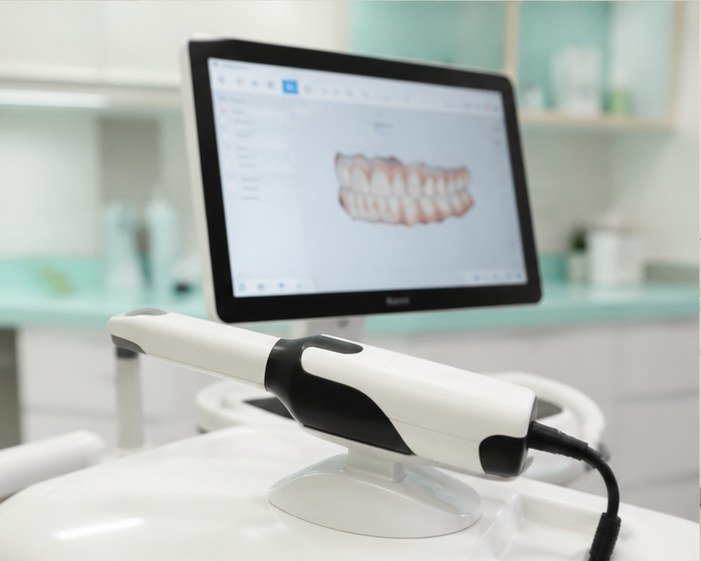
The first visit evaluates the missing tooth or teeth, gums, bone, jaw alignment, existing restorations, bite, medical history, lifestyle factors and expectations. At Amayra, the source guide states that implant cases begin with in-house 3D CBCT imaging and digital planning.
02
Digital treatment planning
Planning software can help evaluate bone, nerves, sinuses, implant dimensions, angulation and the design of the final crown or bridge. This restoration-led approach creates a virtual blueprint before surgery. Learn more about 3D Digital Guided Implant Surgery →
03
Implant placement
The implant is placed into the jaw under local anaesthesia or another appropriate anaesthesia/sedation approach depending on the procedure. A single implant, multiple implants, immediate placement after extraction, or bone grafting may be part of the plan.
04
Healing & osseointegration
The implant gradually integrates with the surrounding bone. Healing depends on factors such as bone quality, general health, smoking, grafting and implant location.
05
Final restoration
After the planned healing stage, the implant can support a custom crown, bridge, implant-supported denture or full-arch prosthesis designed around the patient's bite and smile.
DIGITAL IMPLANT PLANNING
Why 3D planning matters
Three-dimensional imaging can help clinicians evaluate anatomy from multiple directions and plan implant position before surgery. At Amayra, the source guide describes an in-house 3D CBCT, Digital Smile Design and computer-guided planning workflow.
When many or all teeth are missing, full-mouth implant rehabilitation can use strategically positioned implants to support fixed full-arch teeth. The goal is to restore the mouth as a functional system rather than replace every missing tooth one by one.
ChewingSupport confident chewing function.
SpeechRestore a stable tooth position that can support clearer speech.
Facial supportHelp restore tooth and facial support lost with extensive tooth loss.
StabilityReduce the movement associated with removable dentures when a fixed option is suitable.
All-on-4 vs All-on-6: How Is the Choice Made?
All-on-4 and All-on-6 are full-arch treatment concepts. The source guide emphasises that the decision should be based on the individual anatomy and treatment objectives—not simply on the number of implants.
Planning factor
Why it matters
Bone quantity & density
Influences where and how implants can be positioned.
Jaw shape
Helps determine available implant positions and restorative design.
Bite forces
Influences how chewing forces should be distributed.
Final bridge design
The restoration and its biomechanics are central to implant planning.
Functional demands
The treatment should match the patient's anatomy and long-term goals.
The practical question is not simply “Which has more implants?” It is “Which design is appropriate for this patient's anatomy, function and long-term restorative plan?”
Titanium or Zirconia: Which Implant Material?
Titanium remains the most extensively researched implant material, while zirconia provides a metal-free alternative for selected patients. The source guide recommends choosing based on clinical indications rather than marketing claims.
Used successfully for decades and supported by a large body of long-term clinical evidence.
Zirconia
A metal-free alternative with aesthetic characteristics that may suit selected clinical situations.
Clinical decision-making can consider bone quality, implant location, prosthetic requirements, aesthetic priorities, maintenance and available evidence.
Dental Implants With Bone Loss
Bone loss does not automatically mean that implant treatment is impossible. The source guide describes two broad strategies for severe deficiencies: reconstructing the jaw with bone-grafting procedures or, in selected severe upper-jaw cases, using zygomatic implants.
Bone reconstruction may be considered when
Bone can be predictably rebuilt
Conventional implant positioning is achievable
Long-term restorative goals support reconstruction
Zygomatic implants may be considered when
Upper-jaw bone is severely resorbed
Previous grafting has failed
Extensive reconstruction would be unsuitable or unpredictable
How Much Do Dental Implants Cost in Pune?
There is no single implant price that applies to every patient. A dental implant is a treatment process—not simply a product. The final estimate can change according to the number of teeth, implant system, restoration, bone condition, digital planning and additional procedures.
Number of implantsSingle tooth, multiple teeth or full-mouth treatment.
Implant systemDifferent systems and components can have different costs.
RestorationCrown, bridge, temporary teeth or full-arch prosthesis.
Bone proceduresGrafting or sinus augmentation when clinically required.
Planning & technologyImaging, digital planning and guided workflows.
Follow-upAftercare, maintenance and review requirements.
Compare treatment, not just the headline price.
When you receive an implant estimate, ask what is included: imaging, surgery, implant components, abutment, temporary and final restoration, laboratory work, additional procedures and follow-up.
Recovery occurs in stages. After surgery, patients may experience temporary swelling, discomfort, bruising or difficulty chewing. These effects generally improve over the first several days, while the deeper biological process of osseointegration continues for longer.
First few daysFollow the prescribed diet, oral-hygiene and medication instructions.
Healing periodThe implant continues integrating with the surrounding bone.
Long termRegular hygiene, professional maintenance and healthy gums matter.
Healing time varies with the procedure, bone quality, overall health, smoking, grafting and implant location. Follow-up appointments are an important part of the treatment plan.
How Long Do Dental Implants Last?
Implants are designed as a long-term tooth-replacement solution. The implant itself can remain functional for many years and, in many cases, decades, but no dental treatment should be promised to last forever.
Maintain consistent oral hygiene.
Attend professional maintenance visits.
Keep gums healthy and manage periodontal disease.
Avoid tobacco where possible.
Address bite problems and complications promptly.
The crown or bridge may eventually need maintenance or replacement because restorative materials are exposed to years of chewing forces.
Can You Get Fixed Teeth on the Same Day?
Sometimes—but not for every patient. Immediate loading, sometimes described as “Teeth in a Day,” requires appropriate stability and biological conditions. The source guide lists factors such as excellent primary stability, adequate bone quality, controlled bite forces, an appropriately designed temporary bridge and suitable overall health.
Same-day is not automatically better.
If the required conditions are not met, allowing the implants to heal before attaching the final restoration may be the safer approach for that individual case.
How to Choose a Dental Implant Clinic
Implant treatment is a long-term investment in oral health. Before committing to a plan, ask questions that help you understand the diagnosis, technology, treatment stages and follow-up.
Amayra's current doctor profile describes Dr. Rupali Karande as Founder & Chief Dentist with 22+ years of clinical experience and a patient-focused approach to dental care near Amanora and Magarpatta, Pune.
Dental implants have high long-term success when appropriately planned and maintained, but the outcome depends on factors such as bone quality, oral hygiene, medical history, implant placement and maintenance. An individual success guarantee cannot be made before assessment.
How long does dental implant treatment take?
It varies with complexity. Straightforward cases may take a few months, while full-mouth rehabilitation or bone-grafting procedures can require a longer treatment timeline.
Are dental implants painful?
Implant placement is performed with anaesthesia, and postoperative discomfort is generally managed with the prescribed medicines and aftercare. The amount of discomfort varies by procedure and patient.
Can I get implants if I have severe bone loss?
In many cases, additional options may exist, including bone grafting, sinus augmentation or zygomatic implants for selected severe upper-jaw cases. A 3D assessment is needed to determine what is feasible.
Is All-on-4 or All-on-6 better?
Neither is automatically right for every patient. The choice depends on bone availability, jaw anatomy, bite forces, restorative design and the long-term treatment objectives.
What should I ask before accepting an implant quotation?
Ask which implant system and restoration are included, whether imaging and planning are included, whether bone procedures are anticipated, what temporary and final teeth are included, and what follow-up care is provided.
Final Thoughts
Dental implants have evolved far beyond simply filling a gap. Modern treatment can combine clinical assessment, 3D imaging, digital planning, implant surgery and customised restorations to address anything from a single missing tooth to complex full-mouth rehabilitation.
The most important decision is not choosing a treatment from a headline price or a one-size-fits-all package. It is understanding your diagnosis, the available options, the stages involved and the long-term maintenance required.
READY TO EXPLORE YOUR OPTIONS?
Start with a personalised implant assessment.
Amayra Polyclinic & Dental Hub is near Amanora Park Town and Magarpatta City in Pune, serving patients from Hadapsar and nearby areas including Mundhwa and Kharadi.
Source & editorial note: This article is a website rebuild based on the dental implant guide authored by Dr. Rupali Karande in July 2021 and the current Amayra doctor/service pages. The clinical source should be reviewed by the treating dental team before this rebuilt version is presented as a current clinical update.